Before the Giant, There Were Lions
We’ve all heard the story of David and Goliath. In fact, it has become a catchphrase in itself, commentators use it for underdog victories, motivational speakers reference it, and the world borrows it freely from Scripture. It’s interesting how much the world draws from the Bible, often without realizing it. But as I was reading 1 Samuel 17 today, something different caught my attention, something I had overlooked many times before.
After David steps forward to face Goliath, two interactions happen that are easy to miss.
First, his brother confronts him: “I know your pride and the insolence of your heart.”
That statement struck me. His own brother completely misunderstands him. He assumes arrogance where there is conviction. He assumes pride where there is faith. Sometimes those closest to us cannot see what God is forming in us.
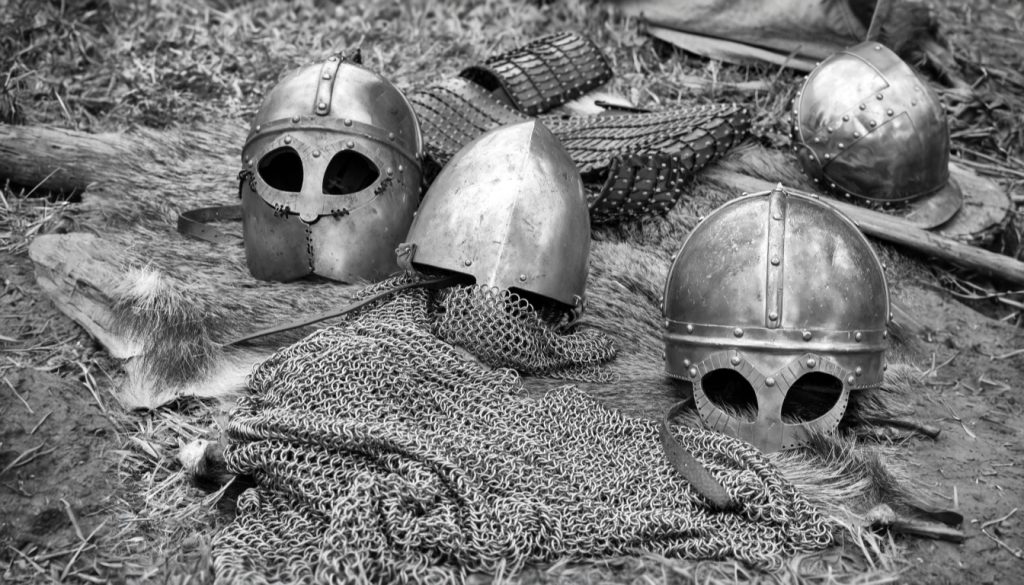
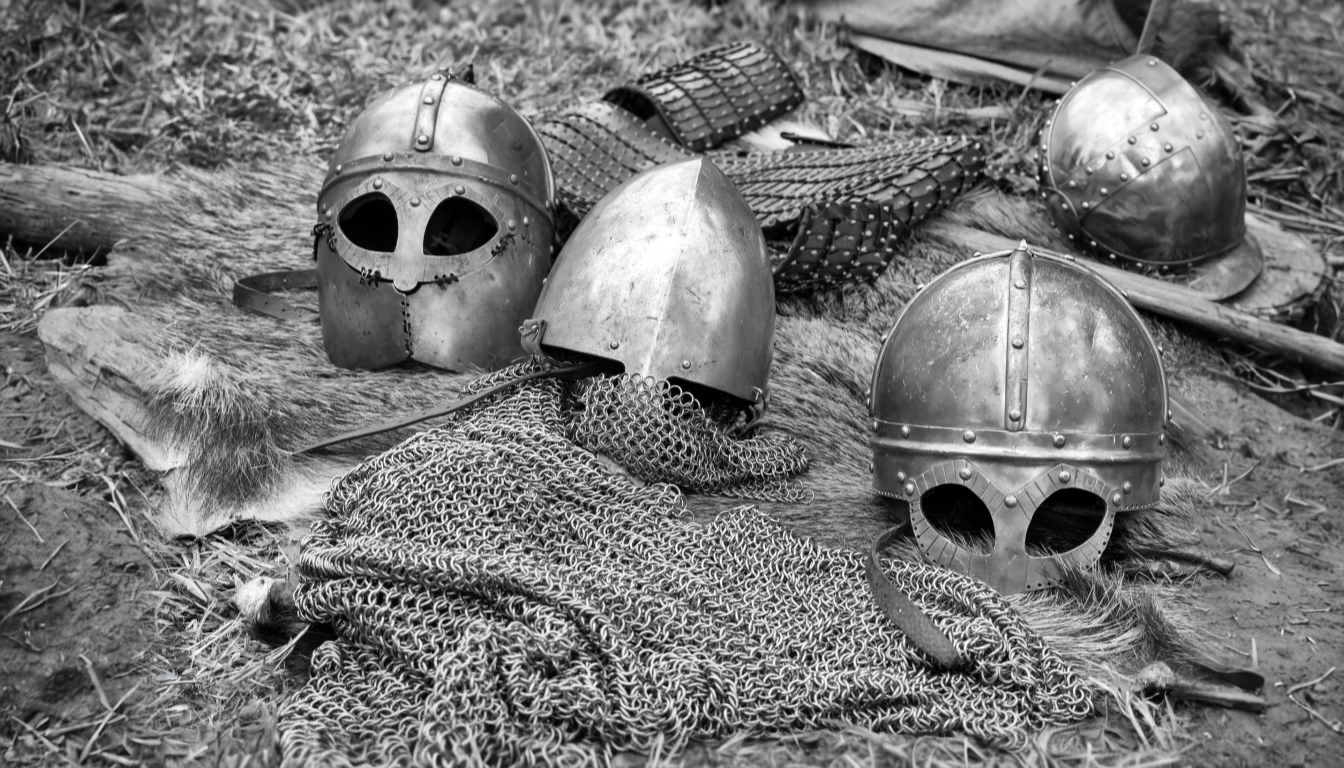
Then Saul does something else. He dresses David in his own armor. If you read carefully, what Saul puts on David looks very similar to what Goliath himself is wearing. Bronze helmet, coat of mail, sword. In a way, Saul is preparing David to fight like a Philistine.
And then David says something that stopped me in my tracks: “I cannot walk with these, for I have not tested them.”
Hold on. Did you catch that?
He doesn’t say they are too heavy.
He doesn’t say they don’t fit.
He says he has not tested them.
I Cannot Walk With These, for I Have Not Tested Them
Often in life, we try to fight our battles by listening to people who do not fully understand what we are going through, or by wearing someone else’s armor. I’ve learned this the hard way that I cannot expect the same move of God in someone else’s life to happen in the same way in my life as well. Each of us must experience God personally and work out what He has formed in us.
David had tested something long before this moment. He had tested his sling. He had tested his trust in God when no one was watching. He had tested courage in the fields with lions and bears. Those battles were not public. They were not applauded. There was no army behind him, no king watching, no nation depending on him.
But they were real.
God allows lions and bears not just to prepare our skill, but to settle our identity. Because when David stands before Goliath, the real battle isn’t about size or strength but about identity. Saul’s armor represents what looks strong. It represents the expected way to win. It represents the world’s definition of power. If David had worn it, he might have looked more like a warrior. But he would not have been himself.
Saul Led From Position. David Operated From Conviction.
His brother misunderstood him. Saul tried to reshape him. Both, in different ways, attempted to redefine him. One questioned his motive. The other adjusted his method. But David knew something they didn’t. He knew who he was when no one else was looking. Saul needed armor because he led from position. David didn’t need armor because he operated from conviction.
Am I Fighting Giants With Tested Faith, or Borrowed Armor?
And that challenged me.
How often do we try to wear armor that isn’t ours? How often do we adopt someone else’s voice, strategy, or appearance of strength simply because it feels safer? Sometimes we step into battles trying to look like what we think a warrior should look like, instead of trusting what God has already formed in us.
David removed the armor because it wasn’t tested in his life. The sling, however, carried history. It carried stories. It carried quiet victories no one else saw. The lions and bears were not random interruptions. They were preparation. They were identity formation.
As I sat with this passage, I had to ask myself: Am I fighting giants with tested faith, or borrowed armor? Because when identity is settled in private, you don’t need to borrow strength in public.
And maybe the reason God allows us to face unseen battles is not merely to sharpen our skills, but to anchor who we are in Him, so that when we are tested in public, we already know who we are.
When Identity Is Settled in Private
When you know who you are, you can walk into the valley without wearing someone else’s armor.
If this reflection blessed you, walk with me.
Every prayer and every share is deeply appreciated.