
Thunder in the Wheat Harvest
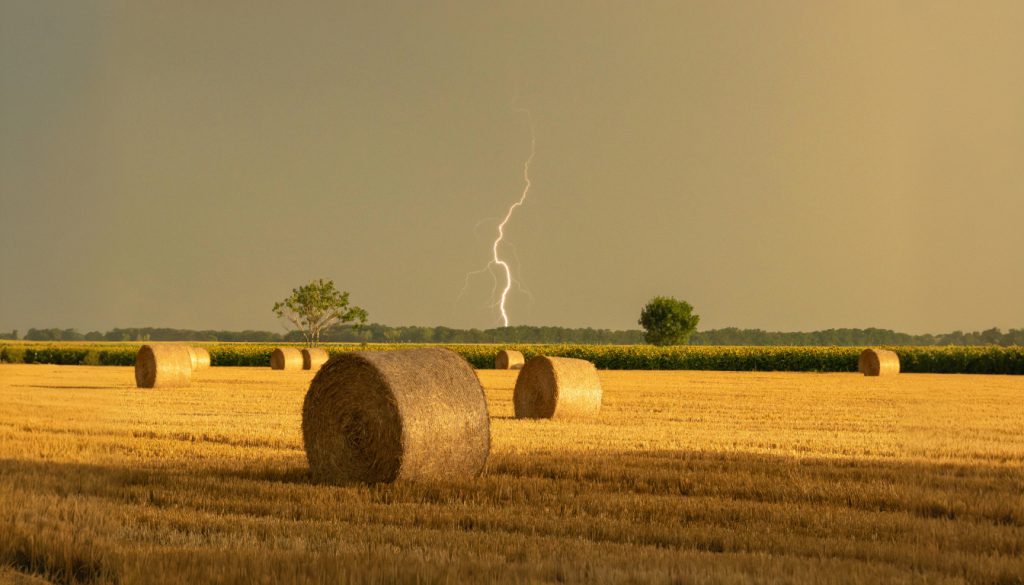
Harvest Feels Deserved
Whenever I hear the word harvest, the first thing that comes to my mind is blessing. Stability. Provision. A season where things are finally working. If harvest language doesn’t resonate, let me draw a parallel. Think about the first of the month when your salary hits your account. There’s relief. There’s confidence. There’s spending freedom. Toward month-end, we become careful again. But at the beginning? We feel secure. Harvest feels like that. And if we’re honest, when famine comes, that’s when we assume God is testing us… correcting us… maybe even punishing us. Famine feels spiritual. Harvest feels deserved.
But when I was reading 1 Samuel, I noticed something unusual.
Is Today Not the Wheat Harvest?
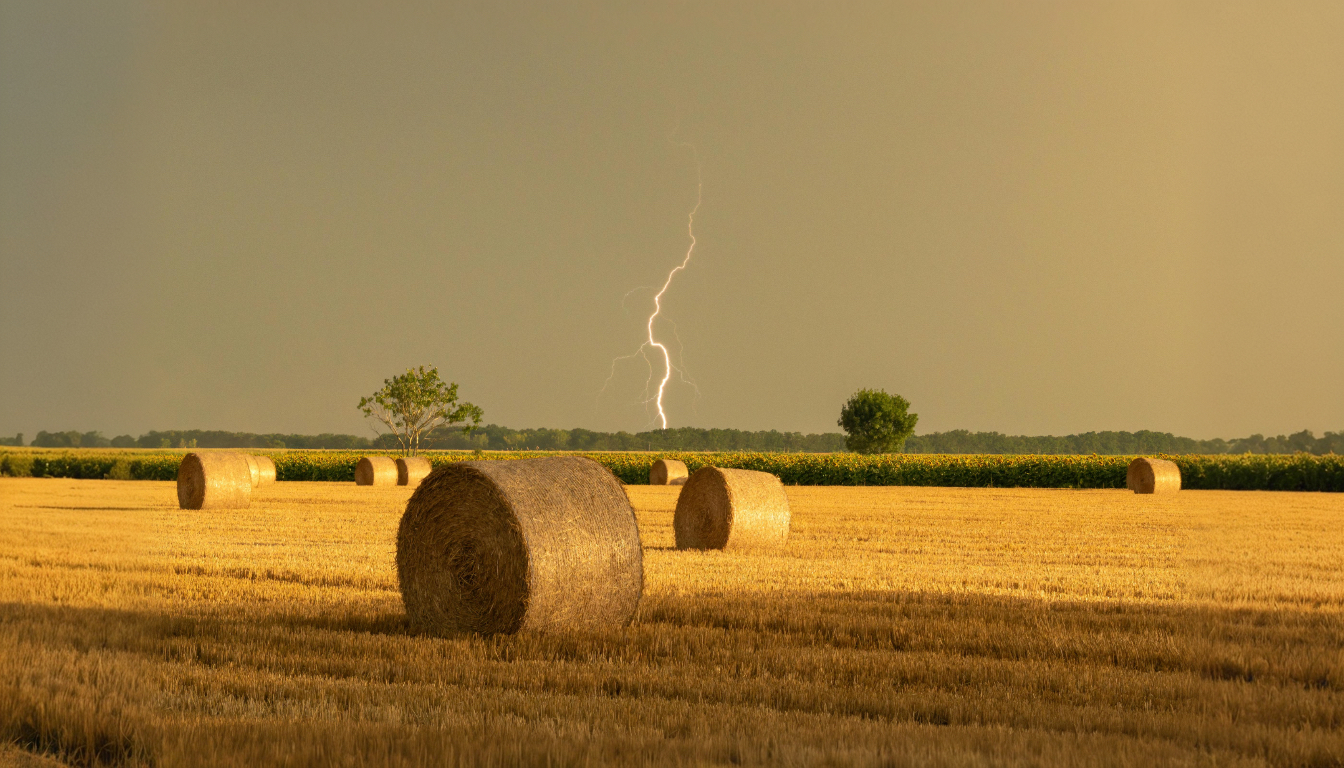
In 1 Samuel 12, after Saul is appointed king, Samuel calls upon the Lord to send thunder and rain so the people may recognize their wickedness in asking for a king. And then he says something striking: “Is today not the wheat harvest?” (1 Samuel 12:17) That sentence could easily be overlooked but wheat harvest in Israel was dry season. Rain at that time was abnormal. Thunder during harvest was disruptive and rains might even be dangerous for crops.
Why would God shake things during harvest? Then I remembered something else.
In 1 Samuel 6, when the Philistines return the ark of the covenant, guess what season it is? Wheat harvest again. The people of Beth Shemesh are reaping their harvest when they see the ark return. It’s a joyful moment. Stability restored. God’s presence back. Everything feels good. And in that very moment of comfort and relief, they casually look into the ark.
Familiarity had replaced reverence.
Famine Reveals, Harvest Conceals
In both chapters, the setting is harvest. Abundance, stability, emotional high. And in both, something is shaken.
In chapter 6, harvest joy leads to irreverence.
In chapter 12, harvest stability leads to misplaced trust in a king.
It’s interesting how in famine we assume God is checking us, but in harvest we rarely check ourselves.
During famine we pray more.
During harvest we relax more.
During famine we cling.
During harvest we grow familiar.
And familiarity can quietly dull reverence.
Thunder Was Not Punishment, It Was Perspective
The people in 1 Samuel 8 asked for a king so they could be like other nations. Even when warned, they persisted. By chapter 12, Samuel reminds them again that asking for a king was a rejection of God as their true King. But it doesn’t fully sink in, until thunder rolls during harvest. God interrupts their most stable moment. Not to destroy them.
But to remind them.
The thunder during harvest wasn’t punishment, it was perspective.
Sometimes God allows thunder in our harvest seasons as well. Not because He is angry. Not because He wants to strip us of our blessing but because harvest has a way of convincing us that what we hold is our security.
Maybe the real question is not whether we are in famine or harvest. Maybe the deeper question is this:
Is our trust resting in the season or in the Lord of the season?
Because famine reveals dependence. But harvest reveals what we truly believe.
If this reflection blessed you, walk with me.
Every prayer and every share is deeply appreciated.